
Travel with an E-Reader 🛬
A tip for reading more while traveling light.

Tale 🎒

At the beginning of this year, I faced a packing dilemma: I was planning a long backpacking trip in Portugal and Spain, and I wanted to travel light—but I also wanted to read several books on the trip.
On previous trips, I would pack a couple of paperback novels in my suitcase. However, I had recently become enamored of the one bag travel philosophy, which recommended traveling light with just a backpack. My fascination with this packing philosophy was partly for aesthetic reasons—I found the one-bag packing videos to be remarkably soothing, for some inexplicable reason—and partly for pragmatic reasons: I didn’t fancy lugging a heavy suitcase over cobblestoned streets, up narrow staircases, and into small taxis—all of which were hurdles in Portugal and Spain.
I solved my packing dilemma by buying a Kindle e-reader and loading half a dozen e-books onto it. The Kindle slipped easily into my overstuffed backpack, and its additional weight was negligible. The Kindle allowed me to read everywhere: On restaurant balconies overlooking scenic vistas, on sandy beaches under striped umbrellas, on high-speed trains whizzing by a blur of green landscape.
Tip 🔋
After my memorable backpacking trip, I’m now a big proponent of traveling with an e-reader.
E-readers have several advantages while traveling:
Easy to Pack: E-readers are smaller and lighter than most physical books.
Nearly Infinite Capacity: E-readers can fit thousands of books—they’re a portable library.
Easy on the Eyes: E-readers have e-paper screens, which are easier on the eyes. E-paper screens also work wonderfully both outdoors and indoors. Furthermore, e-readers offer adjustable screen settings, including font size. (A pet peeve of mine is when physical books have tiny font.)
Often Waterproof: E-readers are often waterproof so you can read while submerged in a pool or a bath. (Something I wouldn’t recommend with a physical book—soggy pages are not salvageable, as I learned the hard way.)
Incredible Battery Life: E-readers can last for several weeks on a single charge; I don’t remember ever charging my Kindle more than once a month.
E-Book Perks: E-books also offer many unique benefits: They’re usually cheaper, quicker to procure, and more eco-friendly than physical books.
E-readers have some disadvantages while traveling, however:
Require Periodic Charging: Despite their phenomenal battery life, e-readers do require periodic charging, which can be a nuisance at times. Physical books, meanwhile, never show the dreaded low battery warning.
Less Tactile Reading Experience: Many of my friends prefer the more tactile reading experience of a physical book. I do, too. It feels so satisfying to flip pages, to place a bookmark, or to close a book after finishing it. (As an aside, this is why I’m a fan of physical buttons for turning pages on e-readers.)
No Physical Books as Mementos: Finally, physical books make excellent mementos from trips—particularly if purchased at a local bookstore on the trip itself. I’m a fan of overflowing bookshelves, and I sometimes regret that my book collection is mostly e-books.
If I’ve convinced you to travel with an e-reader on your next trip, here are a couple of recommendations:
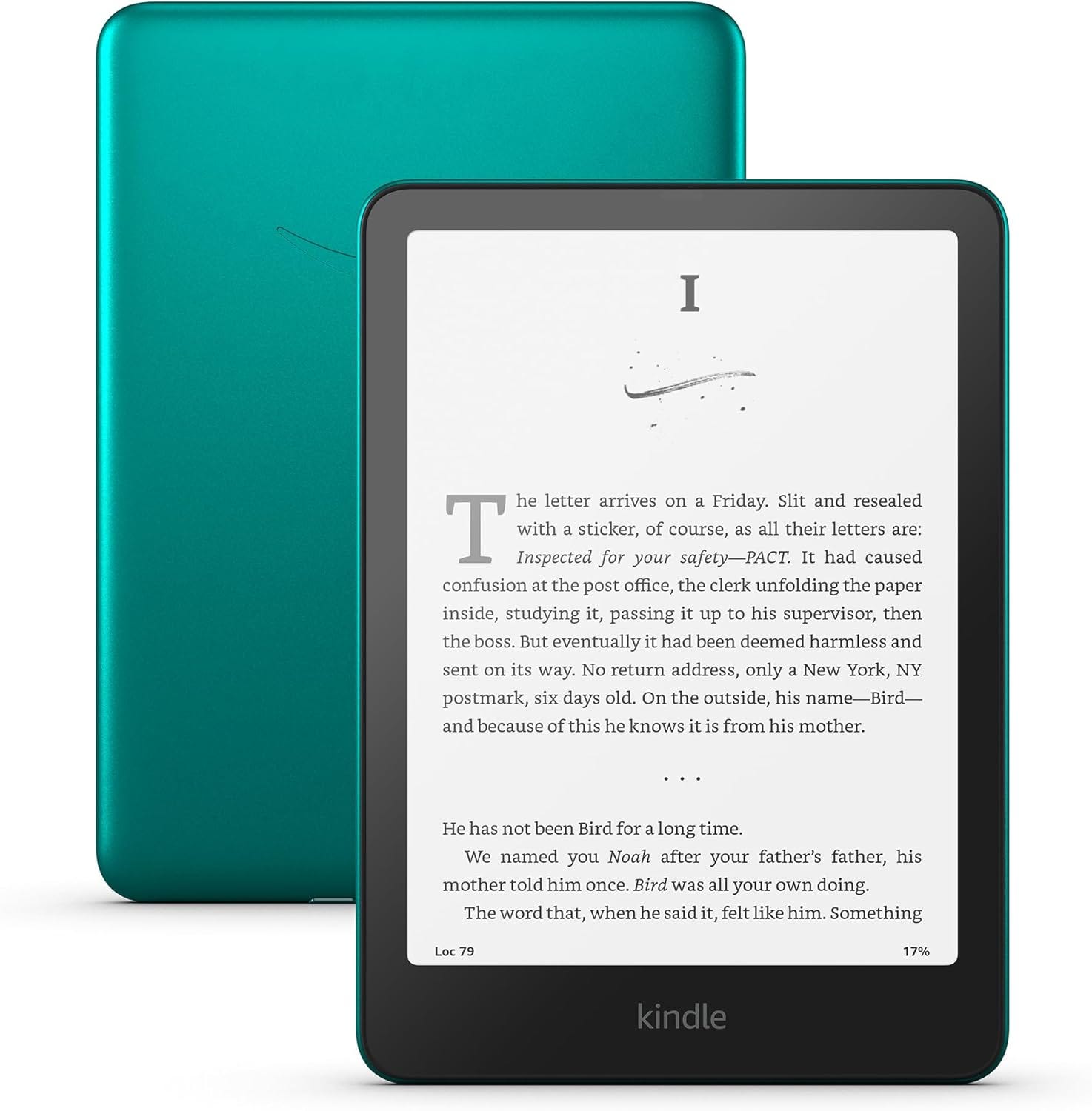
This is the Kindle I have. I opted for the Paperwhite Signature Edition because of several bells & whistles: No lock screen ads, an auto-adjusting front light, support for wireless charging, etc.. However, the less expensive versions of the Kindle are absolutely worth considering too.
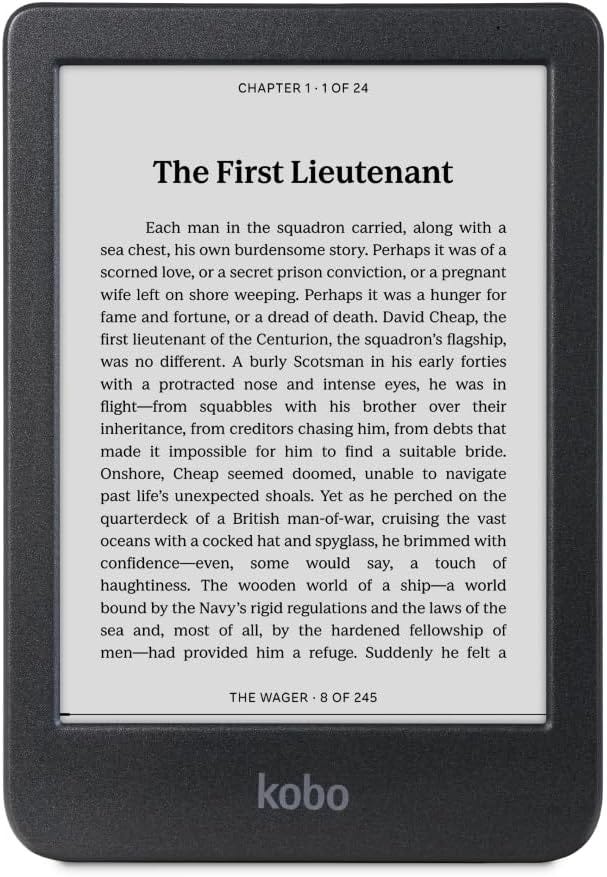
If you don’t buy e-books on Amazon, I’ve heard good things about the Kobo Clara BW e-reader. It’s less expensive than a Kindle, and it’s library integration is supposedly streamlined. (Borrowing e-books from the library is a great way to avoid spending a small fortune.)